

Tear stains are usually caused by excessive tearing, which allows moisture to collect beneath a dog’s eyes and discolor the surrounding fur. The best way to prevent tear stains is to identify and address the underlying cause while keeping the area clean, dry, and well-groomed.
If you’ve ever noticed reddish-brown streaks running down your dog’s face, you’re certainly not alone. This was a huge problem for our little Maltese Shitzu, Benji. The staining of his light coat, just beneath the eyes, was persistent until we found the right eliminating product. Tear stains are a common concern for many dog owners, especially those with light-colored dogs. Whilst often harmless, persistent tear stains can sometimes indicate an underlying issue that deserves attention.

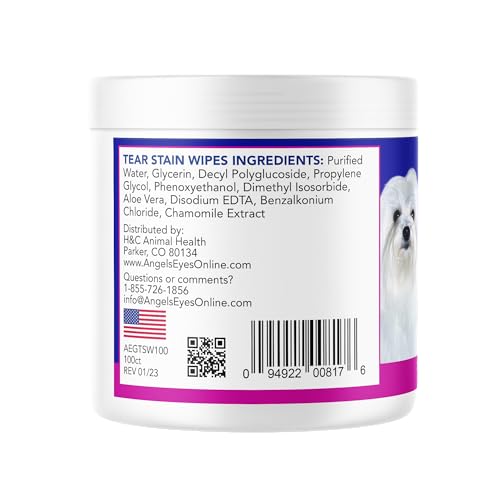
Angel's Eyes Gentle Tear Stain Wipes for Dogs and Cats - 100 Ct - Presoaked Textured (AEGTSW100)
What Exactly Are Tear Stains?
Tear stains are discolorations that develop beneath a dog’s eyes when tears overflow onto the surrounding fur. Over time, the moisture can leave behind rusty, brown, or reddish marks that are particularly noticeable on white or cream-colored dogs.
Certain breeds appear more prone to tear staining simply because their facial structure encourages tears to spill onto the fur instead of draining normally.
Which Breeds Are More Likely to Develop Tear Stains?
Although any dog can develop a tear staining problem, the issue is particularly common in breeds such as:
Dogs with prominent eyes, short noses, or abundant facial hair often experience more tear overflow than other breeds.


Why Does My Dog’s Eyes Water Excessively?
Several factors can cause excessive tearing, also known as epiphora.
Blocked Tear Ducts
Normally, tears drain through small ducts located near the eyes. If these ducts become blocked or do not develop properly, tears may spill onto the face instead.
Eye Irritation
Anything that irritates the eye can increase tear production. Common irritants include:
- Dust
- Pollen
- Smoke
- Strong fragrances
- Shampoo residue
Even a single eyelash growing in the wrong direction can cause significant tearing.
Facial Hair Around the Eyes
Long hair that rubs against the eye can trigger excessive tearing. Many small companion breeds require regular trimming around the face to prevent irritation.
Allergies
Environmental or food allergies can contribute to watery eyes. If tear staining appears alongside itching, licking, or recurring ear problems, allergies may be playing a role.
Eye Conditions
Conjunctivitis, corneal ulcers, glaucoma, and other eye disorders can all increase tear production. If your dog suddenly develops excessive tearing, a veterinary examination is recommended. In fact, I would say any sudden onset of tearing definitely necessitates a vet appointment.
Why Are Tear Stains Reddish-Brown?
Many people assume the discoloration comes from dirt, but that’s not actually the case.
Tears contain natural compounds that can leave behind pigments when exposed to air. As tears repeatedly soak the fur, staining gradually develops. Moist fur can also encourage the growth of yeast and bacteria, which may darken the staining even further.
How Can I Safely Remove Existing Tear Stains?
While removing the underlying cause is essential, you can also improve the appearance of existing stains.
Clean the Area Daily
Use a soft cloth or cotton pad dampened with warm water to gently wipe away accumulated moisture and debris.
Always wipe away from the eye and avoid getting cleaning products directly into the eye itself.
Keep Facial Hair Trimmed
Regular trimming around the eyes reduces irritation and helps prevent tears from becoming trapped in the fur.
If you’re uncomfortable using scissors near your dog’s eyes, seek assistance from a professional groomer.
Keep the Area Dry
Moisture encourages staining. After cleaning, gently pat the area dry with a soft towel.
Use Dog-Safe Tear Stain Products
Several grooming products are specifically formulated to help reduce staining. Look for products designed for dogs and follow the manufacturer’s instructions carefully.
Avoid homemade remedies that may irritate sensitive eyes.
Can Diet Affect Tear Stains?
In some cases, yes.
Food sensitivities may contribute to excessive tearing in certain dogs. If your dog experiences ongoing tear staining along with skin irritation, digestive issues, or chronic itching, discussing dietary changes with your veterinarian may be worthwhile.
Fresh water should always be available, as proper hydration supports overall eye health.
Should I Use Human Products to Remove Tear Stains?
No.
Products intended for human use may contain ingredients that irritate a dog’s eyes or skin. Always choose products specifically formulated for dogs and follow veterinary guidance when necessary.
When Should I See a Veterinarian?
Occasional tear staining is usually a cosmetic issue. However, veterinary attention is recommended if you notice:
- Sudden onset of excessive tearing
- Red or swollen eyes
- Squinting
- Eye discharge
- Cloudiness
- Signs of pain
- Persistent staining that continues to worsen
These symptoms may indicate an eye condition that requires treatment.
Can Tear Stains Be Prevented?
Although some dogs are naturally prone to tear staining, prevention is often possible through consistent grooming and good eye care.
Helpful preventative measures include:
- Keeping facial hair neatly trimmed
- Cleaning beneath the eyes daily
- Addressing allergies promptly
- Scheduling regular veterinary checkups
- Monitoring for signs of eye irritation
- Keeping the area dry
The earlier you address excessive tearing, the easier it is to prevent stubborn stains from developing.
Final Thoughts
Tear stains are most often caused by excessive tearing, facial anatomy, irritation, allergies, or blocked tear ducts. While the stains themselves are usually harmless, identifying the reason behind the excess tears is the key to keeping your dog’s face clean, healthy, and comfortable.
With regular grooming, daily cleaning, and prompt attention to eye problems, many dogs can enjoy a brighter, stain-free appearance.