

Many dogs panic when they hear or feel dog clippers because they associate the noise, vibration, restraint, or a previous unpleasant experience with danger. The good news is that, with patience and gradual desensitization, most dogs can learn to tolerate or even relax during clipping.
Why are dogs afraid of clippers?
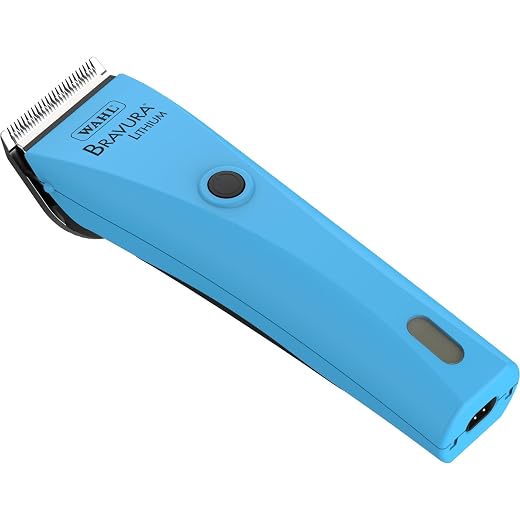
To us, dog clippers are just another grooming tool. To your dog, however, they can seem unpredictable, noisy, and intimidating. A dog’s hearing is far more sensitive than ours, so the buzzing sound that seems mild to you may sound much louder and more alarming to them.
The vibration of the clippers can also feel strange against the skin, especially if your dog has never experienced it before. Combined with being asked to stand still or being gently restrained, it’s easy to understand why some dogs become anxious.


Could my dog have had a bad experience before?
Absolutely. Dogs have excellent associative memories, particularly when something frightened or hurt them.
Your dog may have:
- Experienced clipper burn from overheated blades.
- Had hair pulled by dull or poorly maintained blades.
- Been accidentally nicked.
- Been groomed too roughly.
- Been forced through a grooming session while terrified.
Even one unpleasant experience can create a lasting fear of clippers. Once that association forms, simply hearing the clippers start up can trigger anxiety before grooming even begins.
Is it the noise or the vibration that’s frightening?
It can be either—or both.
Some dogs react the moment they hear the buzzing sound, even if the clippers are across the room. Others remain calm until the vibrating blades touch their body.
You can often identify which is bothering your dog by observing when the fearful behaviour starts. This can help you focus your training on the specific trigger.
Which dogs are most likely to fear clippers?
Any dog can develop clipper anxiety, but it is more common in:
- Puppies with little grooming experience.
- Rescue dogs with an unknown history.
- Naturally nervous or sensitive breeds.
- Dogs that require frequent full-body clipping.
- Older dogs that have become more sensitive to sound or touch.
Some breeds also have coats that require longer grooming sessions, making it harder for anxious dogs to remain relaxed.
What signs show my dog is anxious?
Fear doesn’t always look dramatic. Some dogs simply become very still, while others struggle to escape.
Common signs include:
- Trembling.
- Panting.
- Tucked tail.
- Lip licking.
- Yawning when not tired.
- Trying to hide.
- Pulling away from the clippers.
- Barking or growling.
- Snapping if they feel trapped.
Recognizing these early warning signs allows you to stop before your dog’s anxiety escalates.
Can I teach my dog to accept clippers?
Yes. In fact, gradual desensitization is one of the most effective ways to reduce clipper fear.
Rather than expecting your dog to tolerate a complete haircut immediately, introduce the clippers in tiny, positive steps.
For example:
- Place the switched-off clippers on the floor and reward calm behaviour.
- Pick them up briefly while offering treats.
- Turn them on several metres away for just a few seconds.
- Reward calm behaviour immediately.
- Gradually move closer over multiple sessions.
- Touch the back of the clippers (not the blades) to your dog’s shoulder while rewarding generously.
- Progress to clipping only a tiny area before stopping.
Keeping sessions short helps build confidence instead of overwhelming your dog.
Should I use treats during grooming?
Yes. High-value treats can change your dog’s emotional response from fear to anticipation.
Small pieces of chicken, cheese, or another favourite reward work well. The treats should appear while the clippers are present so your dog begins to associate the sound and sensation with something enjoyable.
Timing matters. Reward calm behaviour immediately so your dog connects the treat with remaining relaxed.
Does clipper maintenance make a difference?
Very much so.
Poorly maintained clippers can:
- Pull hair.
- Become excessively hot.
- Produce louder vibrations.
- Require multiple passes over the same area.
Sharp blades, regular cleaning, lubrication, and allowing blades to cool can make grooming much more comfortable for your dog.
Should I try quieter clippers?
If your current clippers are particularly loud, upgrading to a quieter model may help some dogs feel more comfortable.
Low-noise professional clippers often produce less vibration as well, making the experience less stressful. However, even the quietest clippers should still be introduced gradually rather than suddenly.
Is it better to groom in one long session or several short ones?
Several short sessions are usually much more successful.
Stopping while your dog is still relaxed helps build positive experiences. Even clipping one leg today and another tomorrow is often preferable to forcing your dog through a stressful hour-long grooming session.
Progress may seem slow initially, but confidence usually develops much faster than trying to “get it over with.”
When should I seek professional help?
If your dog panics severely, attempts to bite, or becomes impossible to groom safely, it’s worth consulting a professional groomer experienced with fearful dogs or speaking with your veterinarian.
Sometimes pain, arthritis, ear disease, skin conditions, or anxiety disorders contribute to grooming fear. Addressing the underlying cause can make grooming far easier for both you and your dog.
Can my dog ever enjoy being clipped?
Many dogs never love clippers, but they can certainly learn that clipping is safe and predictable.
With patient training, positive reinforcement, well-maintained equipment, and calm handling, many previously fearful dogs become cooperative and relaxed during grooming. Building trust takes time, but every positive experience helps replace fear with confidence.