
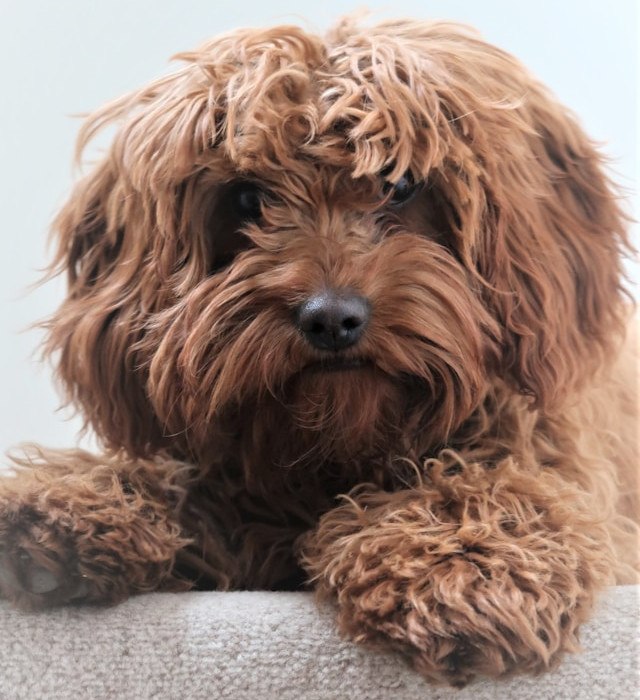
If you’ve ever tried to groom a dog with a thick or double coat using standard clippers, you already know how quickly things can go wrong. The clippers stall. The blades heat up. Hair gets pulled instead of cut. And what should be a calm grooming session turns into a frustrating (and uncomfortable) experience for both you and your dog.
Thick‑coated breeds — like Doodles, Golden Retrievers, German Shepherds, Huskies, and many mixed breeds — need far more power and blade quality than most entry‑level grooming kits can provide. Their dense undercoat and coarse topcoat simply overwhelm low‑torque motors and fixed blades.
The good news is that you don’t need to be a professional groomer to get professional‑level results. You do need clippers that are designed for thick coats: strong motors, sharp detachable blades, and enough cooling and stability to finish the job without rushing.
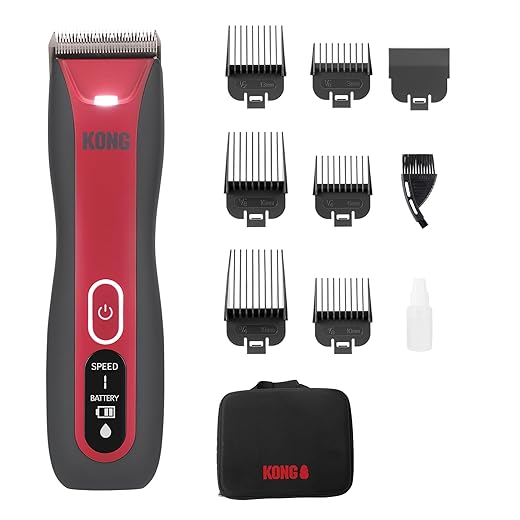
Kong 3-Speed Cordless-Corded Dog Clipper Kit – Stainless Steel Blade, Waterproof, LED Spotlight, Use-While-Charging, 6 Guide Combs, Ergonomic Handle –...
In this guide, I’ll walk you through:
- What actually matters when choosing clippers for thick coats
- Which features make grooming easier (and which are just marketing)
- The dog clippers that consistently perform best on dense, heavy fur
If your goal is smoother cuts, less stress, and fewer trips to the groomer, you’re in the right place.
Browse Dog Clippers for Hairy Dogs
(affiliate link)
A Buying Guide: Dog Clippers for Thick Coats
Not all dog clippers are built to handle thick hair — even some models marketed as “heavy duty” fall short in real‑world use. Before choosing a clipper, focus on the features below. These are the factors that make the difference between clippers that glide through dense coats and ones that struggle halfway through.
1. Motor Power and Torque (Not Just Speed)
For thick coats, torque matters more than speed.
Clippers designed for dense fur use stronger motors that maintain cutting power even when the blades meet resistance. Weak motors slow down, snag hair, and overheat — especially when working through undercoat or mild matting.
What to look for:
- Professional‑grade rotary or brushless motors
- Consistent power under load (not just high RPM on paper)
This is why many groomers prefer models originally designed for salon use — they’re built to work through resistance without forcing you to push harder.
2. Detachable, Steel Blades (Essential for Thick Hair)
Blade quality is just as important as the motor.
For thick coats, detachable steel blades are the gold standard. They stay sharper longer, cut more cleanly, and can be swapped out if they get hot or dull during a long grooming session.
Avoid clippers with:
- Fixed ceramic blades only
- Non‑replaceable blade systems
Benefits of detachable blades:
- Cleaner cuts through dense fur
- Easier cleaning and maintenance
- Ability to choose blade sizes for different coat lengths
If you plan to groom thick‑coated dogs regularly, this feature alone is worth prioritizing.
3. Corded vs Cordless: Which Is Better for Thick Coats?
Both corded and cordless clippers can work well — as long as they’re powerful enough.
Corded clippers
- Unlimited runtime
- Consistent power throughout the session
- Often preferred for very thick or large dogs
Buy Corded Clippers for Dogs
(affiliate link)
Cordless clippers
- Easier to maneuver
- Less intimidating for nervous dogs
- Ideal for owners who groom frequently but want flexibility
The key with cordless models is battery quality. Cheap cordless clippers often lose power halfway through a thick coat. High‑end cordless models maintain torque until the battery is depleted.
Buy Cordless Clippers for Dogs
(affiliate link)
If you’re unsure, many people start corded and later move to a high‑quality cordless option once they know what level of power they need.
4. Heat Management and Cooling
Thick coats generate friction — and friction creates heat.
Clippers that overheat force you to stop mid‑groom or risk irritating your dog’s skin. Better models use:
- Efficient motors that run cooler
- Metal housings that dissipate heat
- Blade designs that reduce drag
For long or full‑body grooms, heat control isn’t just a comfort feature — it’s a safety one.
5. Noise and Vibration (Especially for Sensitive Dogs)
While power is critical, noise and vibration still matter, particularly for anxious or noise‑sensitive dogs.
High‑quality clippers tend to:
- Produce a steadier, lower‑pitched sound
- Vibrate less in the hand
- Feel calmer to dogs, even when powerful
This combination helps dogs tolerate longer grooming sessions — which is often necessary with thick coats.
6. Weight and Ergonomics
Grooming thick coats takes time. Heavy, poorly balanced clippers can cause hand fatigue and make precise work harder.
Look for:
- Balanced weight distribution
- Comfortable grip
- Easy access to power or speed controls
You’ll notice the difference by the end of your first full groom.
Final Buying Tip
If a clipper feels underpowered on the first pass through your dog’s coat, it won’t magically improve later in the session. Thick coats demand tools that are designed for resistance — and investing in the right clippers upfront usually saves money (and frustration) in the long run.
Next we look at 2 actual brands of clippers that can cut through thick coats, corded and cordless.